Short Film
Cinematography
Film
Editing
Script Writing
Set Design
Directing
Lighting

The original short film, Abide, is a student project written for filming by Shooting Blanks Productions. The project was undertaken in its entirety by the third-year Multimedia Design class of 2018 at the Stellenbosch Academy of Design and Photography, operating as Shooting Blanks Productions.

The brief was to create an original 8-15 minute short film on a subject of choice. All aspects of the production were undertaken by 15 students in the class. Tasks were assigned to individuals and workshops were held to provide insights into the various facets of film production. I was assigned the role of lighting and gaffer.
The concept of this film was to create a beautifully written and designed experimental film of three separate, parallel narratives, intertwining only through their unity in loss. The focus was on the breath taking, unique landscapes that Western Cape has to offer us, and to skillfully and creatively leave enough space for interpretation from the viewer. The film was made without dialogue so as to not detract from the beauty of the environment and the depth of emotion.
The Film targets indie film lovers and people who enjoy beautifully designed, unconventional films. The film is intended for all discerning film noir aficionados.
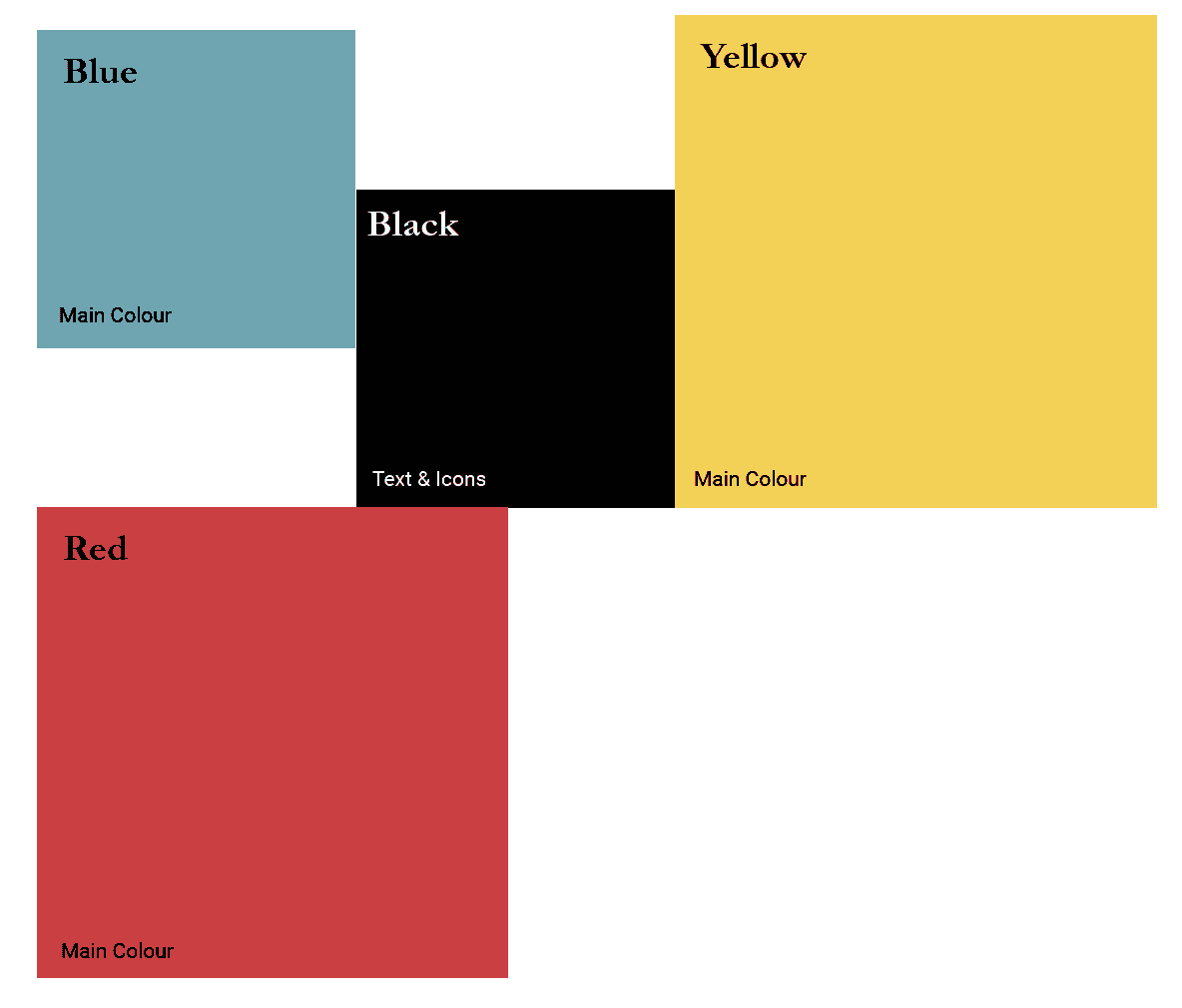
The chosen colours are primary colours to represent the Shooting Blanks production team.

Logo
The team started Shooting Blanks Productions and the relevant branding elements were created and implemented.



Premise
Deep convictions, innocent suffering, in memory lies pain.
Three separate narratives connected through their expression of beautiful suffering.
Convicted by actions, committed through choice, a convicted felon searches for absolution.
The suffering of an innocent. Deep trenches, viscous stains, memory is the pain.
A family in trauma, the suffering of an innocent, fate in the hands of the healer.
Synopsis
Three narratives make up the film, linked only by a common thread of beautiful suffering. The scenes are set at the beach, in a forest and in the desert where a convict tries to reconcile his actions, a child's life hangs in the balance and a man relives a haunting moment from his youth.
Cast
Joshua Stadler (Convict in Act 1)
Cinzia Cioffi (Mother in Act 1)
Jordan Isaaks (Daughter in Act 1)
Aphiwe Mwezeni (Doctor in Act 2)
Marcoda Silva (Father in Act 2)
Elize Goosen (Mother in Act 2)
Tegan Oldknow(Daughter in Act 2)
Dru Sin(Soldier in Act 3)
Clinton Wing (Soldier in Act 3)
Rob Olivier(Soldier in Act 3)
The Shooting Blanks Crew
Wessie van Der Westhuizen (Executive Producer)
Carl Strumpfer (Director)
Lene van Heerden (Production Director)
Emily Slabbert (Producer)
Skye van der Walt (Creative Director)
Justin Kingwill (Key Grip)
Lee van Wyk (Director of Photography)
Chantal Wehnert (Collateral Designer)
Jaime Moag (Production Designer)
Cinzia Cioffi (Production Designer)
Nicholas Hulley (Special Effects Producer)
Katherine Blackmore (Lighting Producer)
James Minkley (Lighting Producer)
James Cairns (Sound Producer)
Paz Shina (Sound Producer)
Tarryn Jacoby (Promoter)
Victoria Rinfreschi (Promoter)
The Role of Lighting Producer and Gaffer
As the lighting producer, it was required to be knowledgable of the different lights and how and when to use them. The lighting producer needs to know the weather and timing on each shooting day, as well the terrain and its reflectability e.g. forest earth is dark and mulchy and therefore has a very low reflectability while sand is much higher, in order to asertain which lights to use, if reflector boards are needed etc. The lighting producer is required to know all the different lighting techniques such as rembrandt, butterfly split lighting etc. and be able to reproduce at director's request.
Equipment
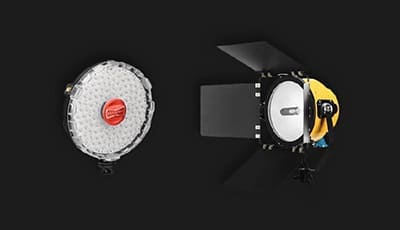
The equipment consisted of two Blondes, 6 Roto neo lights and their coloured gels and reflector/diffusion boards.
Workshops
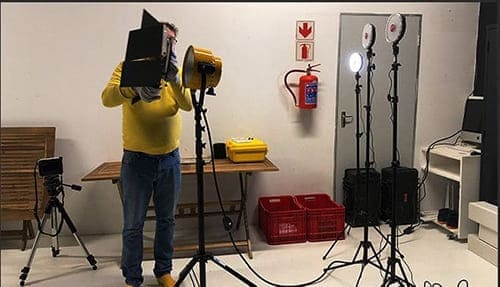
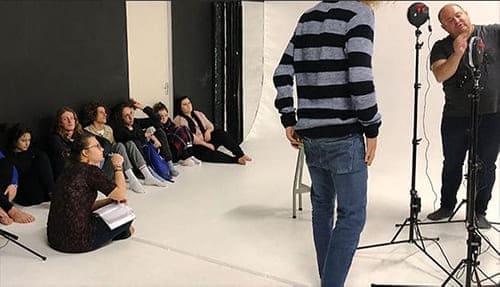
Various workshops were held in order to familirise the crew with their designated roles. The lighting workshop with Wessie and Gareth consisted of being introduced to the equipment, learning about the three point lighting method and the various lighting technique such as Rembrant, butterfly and split lighting.
Location
Three exterior and two interior locations were used in the film. The convict scene was shot on the beach, the sick child in the forest and the soldier in the desert.
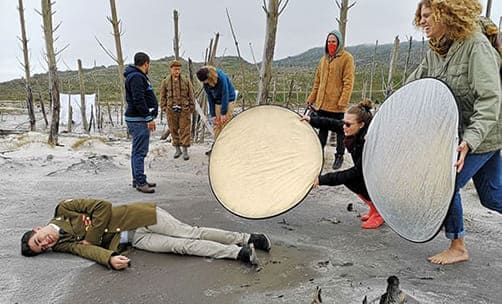
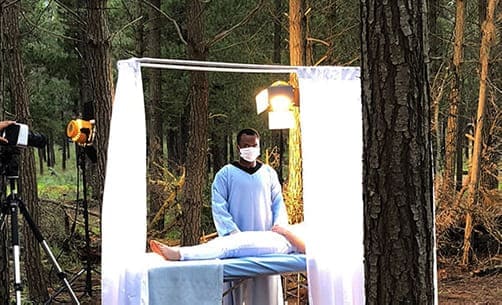
The outdoor locations were the most diffucult to light due to the succlusion. The forest scene, being the darkest out of the three, was lit by both Blondes and occasionally the Roto neo lights powered by a generator and batteries. Reflector boards were used during the desert scene to try to compensate for the harsh mid day sun when the clouds burnt off and Rotos were used during the beach scene. The indoor scenes were lit with both the Blondes and the Roto neo lights.

Lighting The Auditions
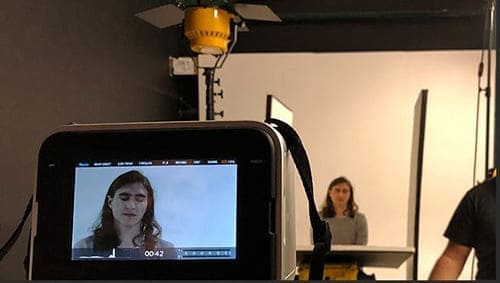
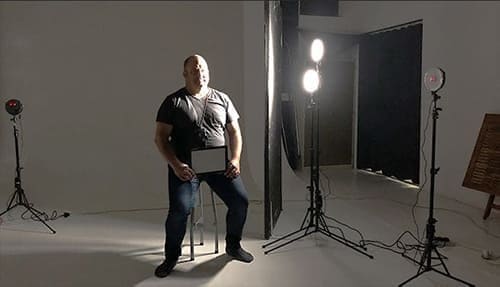
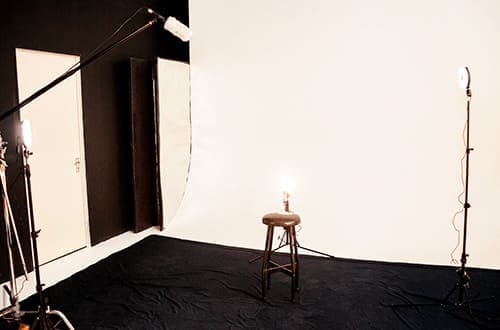
On the day of casting, the lighting, sound producers, director and creative director set up a professional area to film auditions in the studio. The lighting that was used was the traditional and standard method of three point lighting technique, consisting of a keylight, fill light and back light. It was set up to avoid harsh shadows on the actor/actresses face and made sure they were equally and uniformally lit.
The key light is the main light. It is usually the strongest and has the most influence on the look of the scene. It is placed to one side of the camera/subject so that this side is well lit and the other side has some shadow.
The fill light is the secondary light and is placed on the opposite side of the key light. It is used to fill the shadows created by the key. The fill will usually be softer and less bright than the key. To achieve this, you could move the light further away or use some spun. You might also want to set the fill light to create more of a flood than the key.
The back light is placed behind the subject and lights it from the rear. Rather than providing direct lighting (like the key and fill), its purpose is to provide definition and subtle highlights around the subject's outlines. This helps separate the subject from the background and provide a three-dimensional look.
Premier
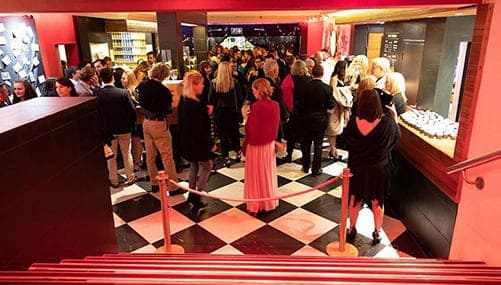
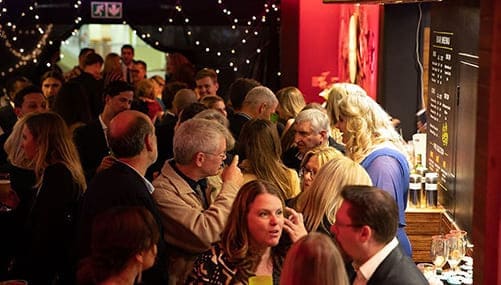
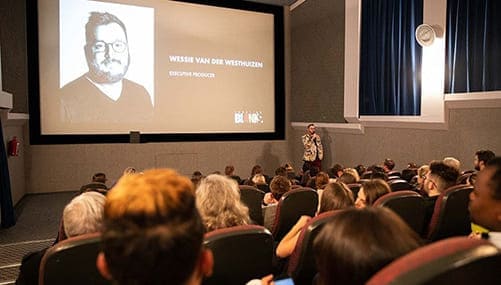
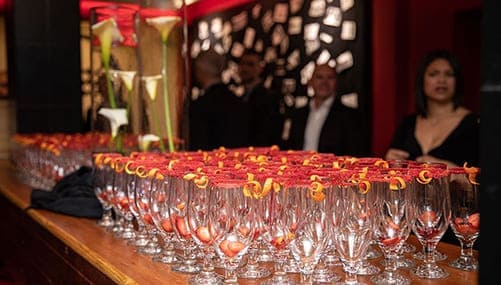
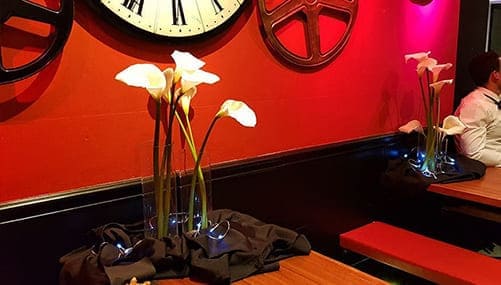
The film was premiered in the Neelsie's cinema and Shooting Blanks Production team held a black tie event for invited guests. Arum lilies were picked, black cloth was hung and fairy lights (supplied by light producers) decorated the event and transformed the quaint cinema into a classy event.
The Coffee Table Book
A coffee table book was created to capture the making of the film and the experiences and journey of the students.
Title
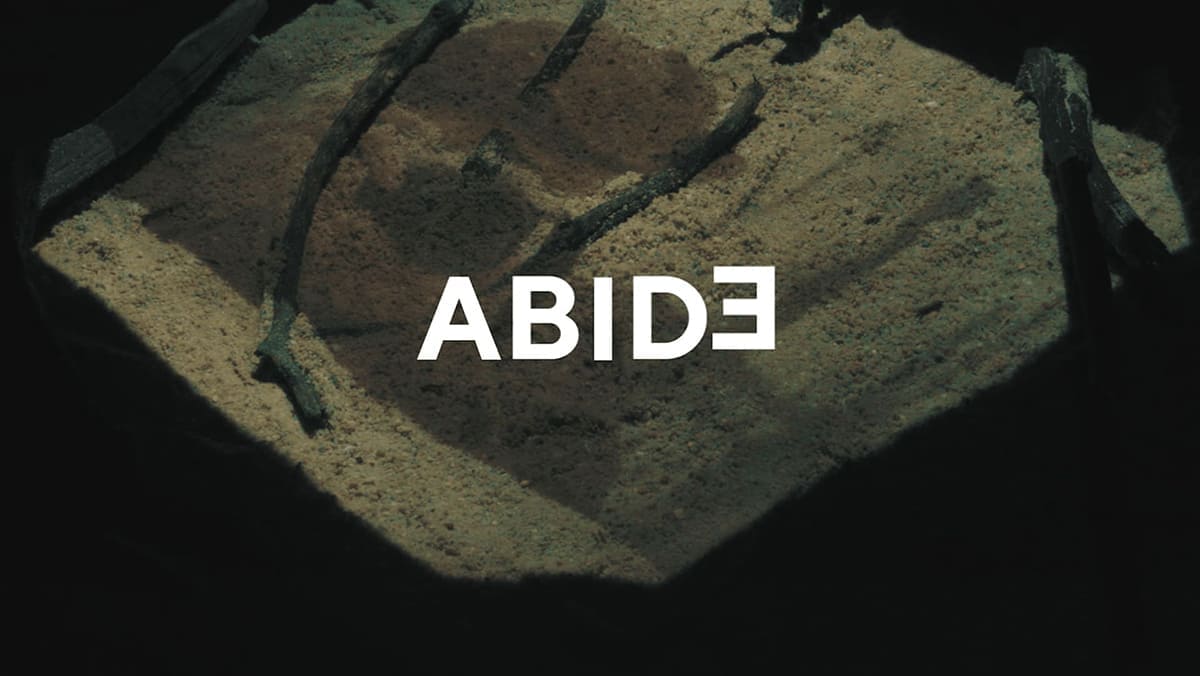
The Title of the film, Abide, appears at the end of the film. Abide is defined as the inability to tolerate and this is captured in the three narratives as the characters deal with their struggles.

Act 1
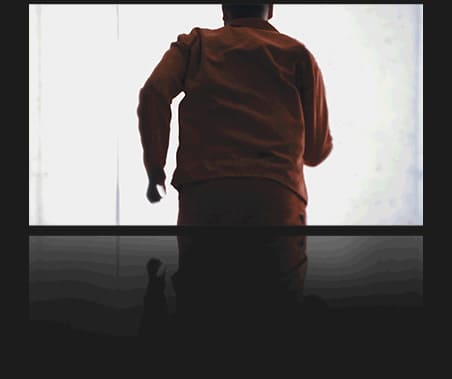
A convict finds himself running through a disjointed past until ultimately he reaches the moment where it all fell apart. This act is set on a beach in Western Cape and conveys a fast paced and beautiful atmosphere.
Act 2
Act 2 is set in a green pine forest located near Stellenbosch. In this scene parents struggle with a child in a critical condition, they run through this vast forest in order to receive medical help. They place their child's life into the hands of a doctor and anxiously wait for results. The atmosphere of this scene is uneasy and apathetic.

Act 3
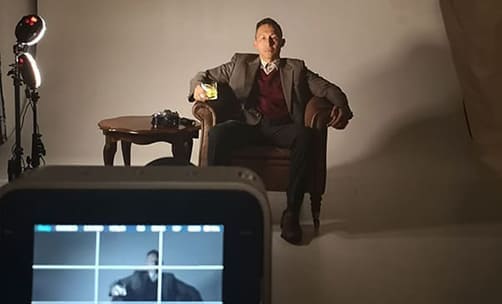
In Act 3, an elderly man sits in an arm chair reflecting on his past during the war. This act was shot in a studio at the Stellenbosch Academy of Design and Photography, as well as an outdoor location at a desert like area. The mood of this scene is dreamy and contemplative.


This is the full 8 minute short experimental film by Shooting Blank Productions called Abide. It captures the theme of 'beautiful suffering'in South Africa's breathtaking landscapes.