
2D Game
Game Design and Development
Digital Art
Environment Design
2D Platformer
Character Design
Illustrator, Unity, Photoshop
The problem to be solved was two-fold. The first being that Africa and its diverse, colourful cultures is rarely depicted in the digital arena and particularly in the gaming industry. The second is that 2d platformer games have lost popularity due to the advent of complex, large corporate produced 3d games. Therefore, the challenge was to create an African folklore themed 2d platformer game with a unique, captivating style and goals.

The objective of this brief was to develop a unique, beautifully designed, playable, fully 2d, side scrolling platformer game within the theme of a chosen African folklore. The character design was done in collaboration with the third-year illustrator students. The deliverable was a new 2d platformer game franchise with new game goals and objectives, playable for a minimum of 3 minutes. This must include a character design for a hero and enemies and their sprite sheets, obstacles, collectables, puzzles and environments, UI elements including: Title Design, Launch Screen, a working Menu Screen and a Head Up Display (HUD)
Msitu Kumbu is a 2d platformer game set in the forests of the Congo. The game is unusual in that its elements are based on a traditional folktale surrounding an enchanted tree that grants an individualâs deepest desires. The hero of the game wakes up alone in the middle of the forest with no recollection of who he is, where he is from or what he is doing there. The player accompanies him through the frightening forest, fending off dangerous creatures in search of his memories. On each level the character traverses many obstacles and, at the end of the level, when the character reaches the top of the tree, is rewarded with a crystal memory shard. The aim of the game is to collect all the memory shards that eventually restore his memory of who he is and how he landed up alone in the forest. The game was designed and developed using Unity and Photoshop. Along the way, the character collects collectables familiar to him such as masks, pots, notes that help him piece his memory back together. He defends against the dangers and enemies by throwing straw balls and looks to fireflies for help and guidance

This game is for 2D Platformer game enthusiasts of all ages, as well as those who enjoy Congolese folklore and enjoy unique, beautifully designed games.

Msitu Kumbu is Swahili for âMemory Forestâ. Swahili is the native language of Congo, the country in which the game is set. Msitu Kumbu is based on the African folktale of an enchanted tree that grants your deepest desires. The original story is about a neglected son that ran away from his family and stumbled upon a tree that granted his desires of a beautiful princess wife and a people who loved him and over whom he ruled. The only condition was that he could never tell anyone his secret. When he admits everything to his mother, his wife and his people disappear. The moral of the story is to focus on those that love you, not try to win over those that donât.

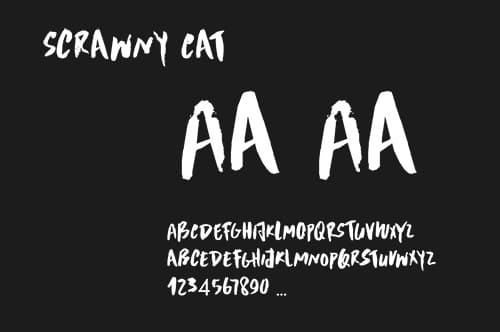
Scrawny Cat was used for this game as it has a more organic, natural feel to it.

Msitu Kumbu Kumbu
The inspiration for this game was Congolese folklore and traditional attire. The character design was inspired by the Congolese traditional wear as well as masks and pottery made by the indigenous tribes. The environment is a combination of layering photographs and watercolor to create a scene that emphasizes the depth and layers of the Congo forest
The Hero
The hero is a tall thin figure made of straw and dressed in traditional attire. He has a human feel to him by being bipedal and having similar features to humans. This makes the character more relatable and easier to connect with, and makes it is easier to understand the emotions he is going through. The hero of this game has the movements: Idle, Walk, Jump, Attack, Damage and Death as well as Crouch Idle and Crouch Walk.
The Idle State is the default state when no key is pressed down. The hero will stand in one spot until a key is pressed again to activate movement.
The Walk State is initiated when either of the left or right arrow key is pressed down. This is how the hero navigates through the game.
The Attack state is triggered by pressing the A key. This is where the hero will take a straw from his head and throw it.
The Jump State is triggered by the spacebar and is used to avoid obstacles and reach higher areas. The Jump State can be transitioned from any other state such as Walk or Idle.
The Death State of the hero occurs when the health runs out in the health bar, the hero will transform into a pile of straw.
Enemies and Obstacles For The 2D Platformer Game
The enemy/obstacle design was inspired by the indigenous forest that spreads across the African continent and animals regarded as dangerous or evil in folklore.
The first enemy is the Scorpion, a highly disliked animal in the Congo. The Scorpion is a dangerous enemy that lives in the tunnels the enchanted tree creates with its roots. It is a level 1 enemy that will attack with its pinchers and stinger when it has the hero in sight. It is easily defeated with one or two straw balls thrown by the hero.
The Bee also attacks on sight but is a little harder to kill. It hangs around the branches of the tree. It is not only attracted to all things sweet but also all things shiny and loves the sparkling memory shards the magic tree produces. It will try to defeat anyone who comes near.
The Mosquito is similar to the bee and likes hanging around the tree at night, looking for a fresh feast in someone coming to the tree to get their wishes answered.
The Venus Flytrap is a very common plant found in the Congo forests. The plant sits waiting for a tasty morsel to walk by. The Venus Flytrap will activate when the hero is near but will remain stationary. The hero cannot kill this enemy, therefore the only way the hero can prevail, is to avoid it.
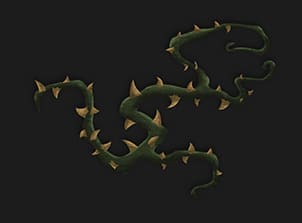
The Stinging Nettle vines are obstacles and have the ability to hurt the hero and should be avoided by him. They have no activation but remain stationary and hurt the hero with their thorns.
Background
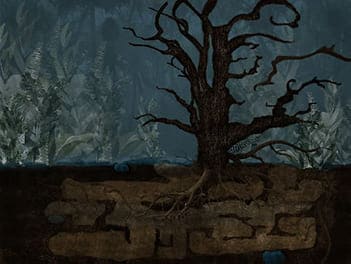
The setting is in the forest and the central focus is the tree. The background scene incorporates various rocks, moss, vines, forest plants etc. The game extends up into the branches and down into the caverns below the tree.
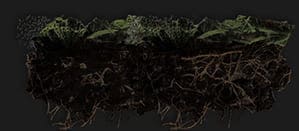
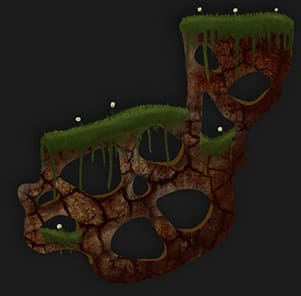
Platforms
The platforms for the game are hovering clods of earth and interesting mossy rock formations. These platforms are inconspicious as they stay within the background look and feel and add a whimsical, ethereal atmosphere to the game.
Health
The fireflies provide health to the hero of the game as well as to serve as checkpoints. Therefore, when the characters dies, he spawns at the last set of fireflies.
Collectables For The 2D Platformer Game
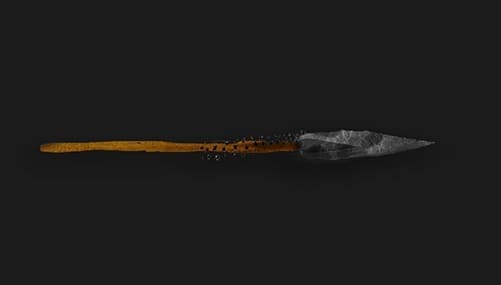
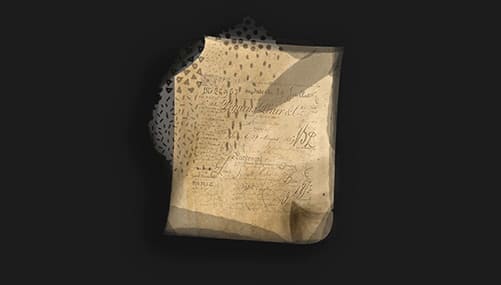
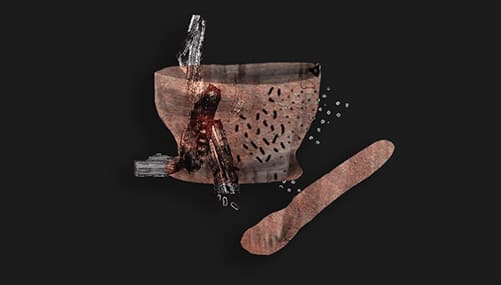
The hero travels through the game, collecting artefacts left behind by his people such as a broken spear, a grinding bowl for bulbs and roots, a piece of paper, and a mask. The hero also collects a "shard of memory" at the end of each level in the form of a crystal.

Intro Animation
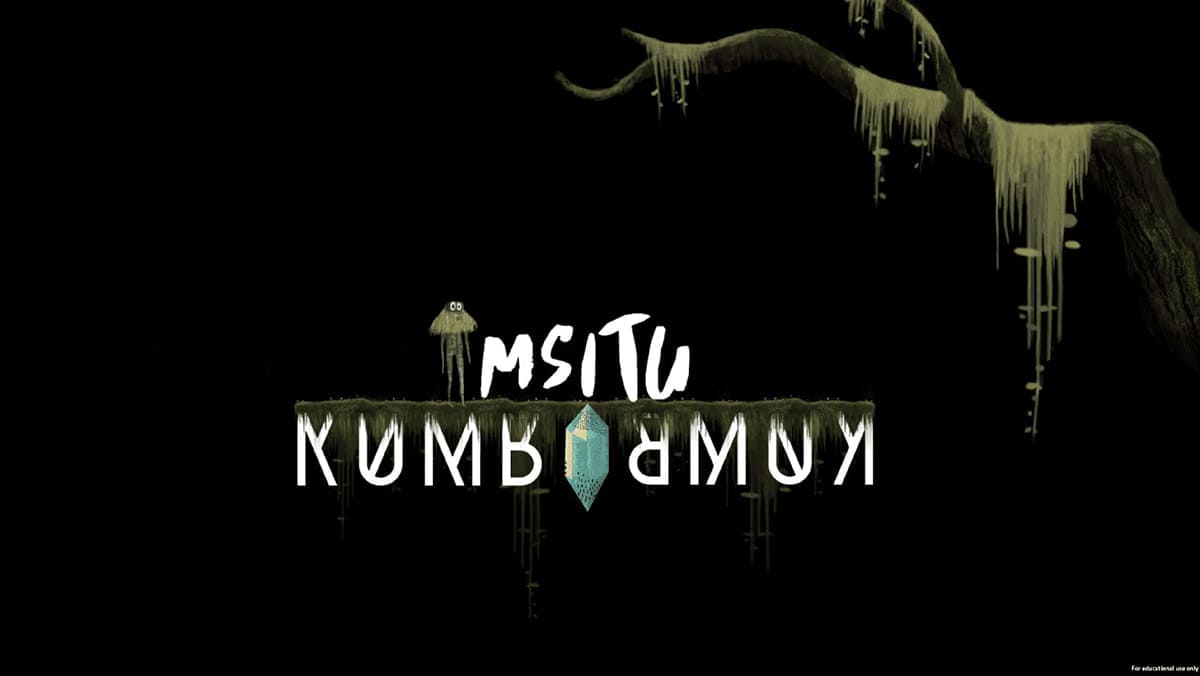
The game begins with an intro animation where the hero pushes the title into position, tripping over the vine and dropping the gem into place.


Game
The player will then go onto the game where they will have fun navigating the mystical world, fighting off enemies, collecting collectables etc. The controls for the game are the arrows keys to move around, the spacebar to jump and lastly, the A key to attack.
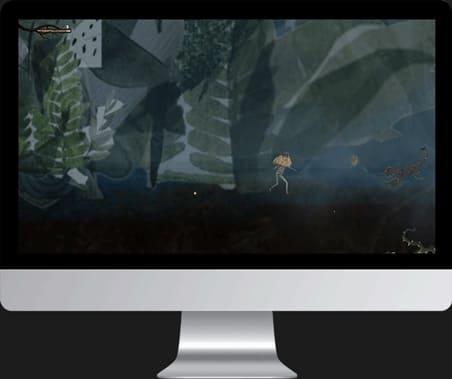

This is a screen recoding of the 2D platformer game, Msitu Kumbu Kumbu, being played. Msitu Kumbu Kumbu is based on an Congalese (African Country) Folklore about a magic tree and located in the beautiful forests of Congo.


A modification of the original game is being developed but is not yet complete. The designer believes that there is an opportunity to impart facts and understanding through games such as this. The new game is more detailed and contains different elements but is basically the same concept and is also based around a tree that grants an individualâs desires. As in the original game, the hero has lost his memory and the aim of the game is to collect the fragments. The cultural and traditional elements of the game were extensively researched and are kept as factual as possible. It is the aim of the designer that players develop some interest and understanding of the culture while playing the game.
Research and Background
The game is called Nyane Dua which is Akan for âTree of Soulsâ. Akan is a native language of Ghana, the county in which the game is set. The Akan people were a partly nomadic, matriarchal society. The folktale that was used as the basis of this game involves an enchanted tree that grants desires, gives the Queen powers to know where the tribe should settle next and protects the people. The tribe would plant a tree with buried treasures underneath it in every place they settled.
New/Redone Enemies and Obstacles For The Platformer Game
The enemies are based off Ghananian myths and beliefs while the obstacles are based off dangerous plants found in Ghananian forests. The hero of the new game is the same as that in the old game.
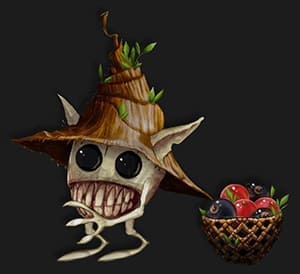
Mmoatia is the trickster of the forest, according to Ghanaian legend. He is a dwarf herbalist that lives in the forest and throws poisonous berries at the character. The hero must attack him by throwing straw balls.
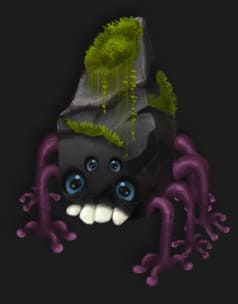
Anansi is a spiderlike trickster god that hides in the form of a rock taken from Ghanian legend. When the hero approaches his legs emerge and he pounces. The hero must attack him by throwing straw balls.
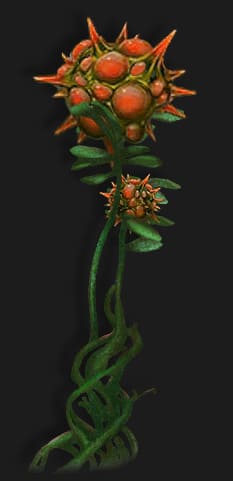
Devil thorns â Thorny obstacles that have the ability to hurt the hero and should be avoided. They have no activation but remain stationary and must be avoided.
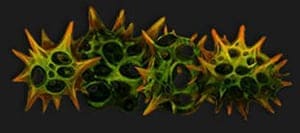
Exploding water pods are underwater spiky balls that remain stationary but explode when approached.
New/Redone Collectables For The 2D Platformer Game
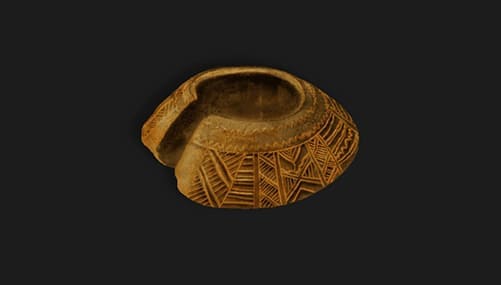
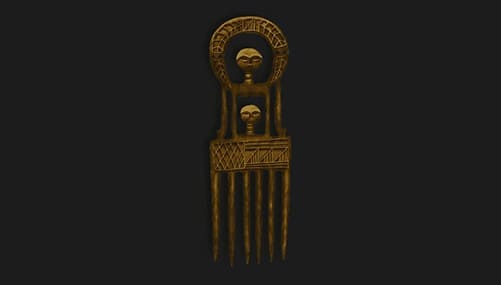
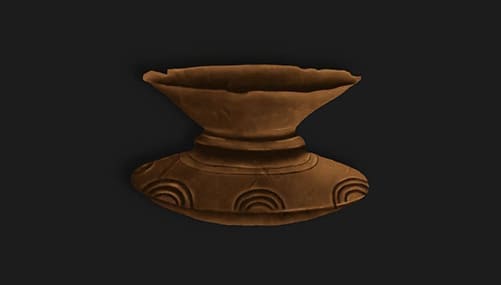
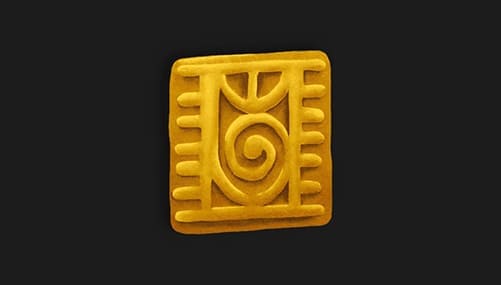
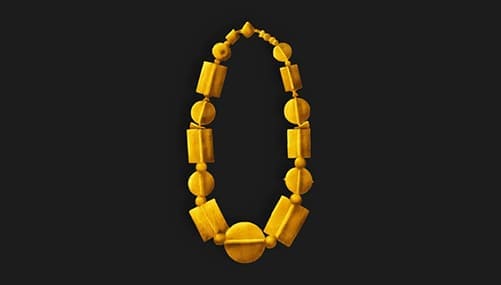
The new collectables are more relevant and very specific to this community of people instead of the "general African spear" etc. These are the objects that are buried under the Tree of Souls in order for the tree to gain it's power and transfer it to the queen. The collectables will have a white glow to differentiate them from the background and make them easy to see.
The Brass Anklet is worn as a sign of wealth and used in trading.
The carvings in the Wooden Comb indicated the wealth and status of the owner.
The Akan Drum is used in celebrations and as a form of communication.
The Funeral Pot is used as a part of the death ritual. The Hair of the deceased and the family is put together in the pot.
The Golden Weight is used to weigh during trading.
The Golden Necklace is worn to show position and wealth, usually by royalty. The Akan are famous for their gold jewellery.
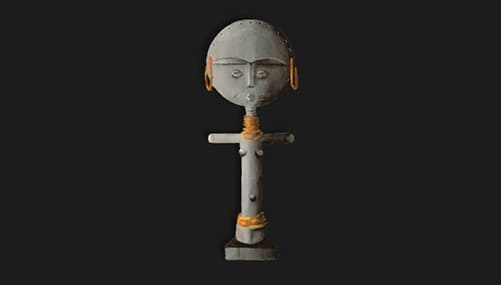
The Fertility Doll is carried on the back of women either hoping to conceive a child, or to ensure the attractiveness of the child being carried.

Doors
To incorporate the Akan people's unique and special Andrinka symbols that they carved in their brass, gold, pottery etc. Doors and their corresponding keystone have been made to block off hidden passages and secret areas. The player needs to find the corresponding keystone, pass over it to activate it in order to open the door. Each symbol that is used on the keystone is a fundamental aspect to the narrative and indicates the characteristics the player needs to have in order to complete the quest.

Environment/Background
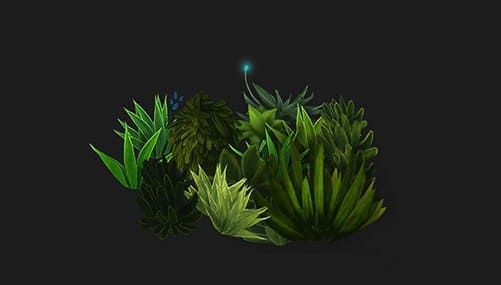
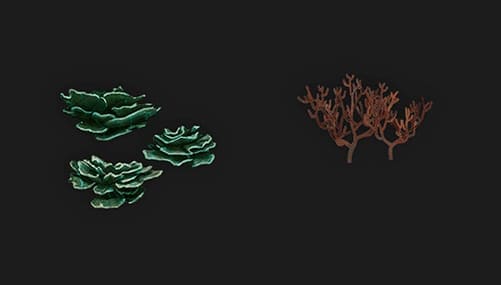
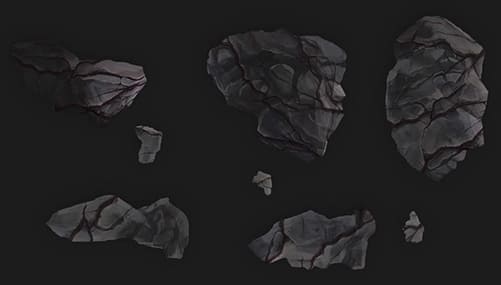
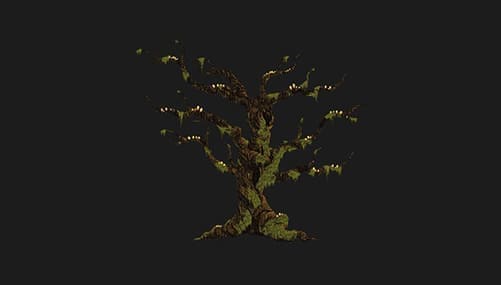
The environment is similar to the first version of the game as it is also set in the forest. More forest plants, various rocks, moss, vines and other ambient objects will be added to the environment and replace the original large background image. Underwater scenes will be added to the environment because the forest is very boggy in Ghana. This is where the hero can swim around to discover hidden collectables and secret areas. The underground section will be made with boulders made in a unique way. They can be layered in any way to make larger more interesting boulders and this will replace the large background image the original game had and increase optimisation. The tree of central focus has been redone so that it is smoother and easier to climb by the character. A secondary tree and background trees have also been added.
Platforms
The platforms will be integrated into the environment better and look less obtrusive and awkward. The added platforms so far are the water lily platform that animates and grows into place in order for the character to cross the water, as well as floating logs and log bridges.